
Meet Our Speakers
*listed alphabetically by last name
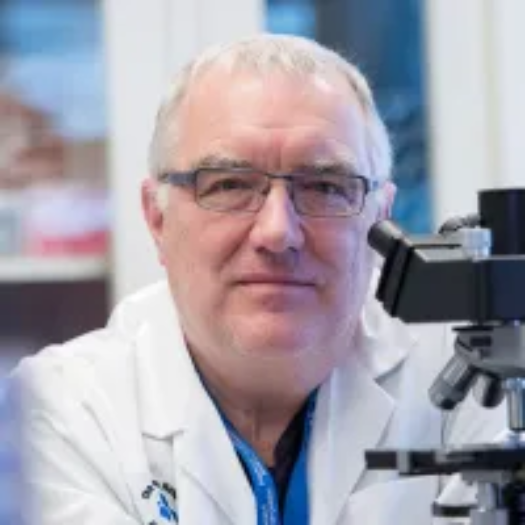
John C. Bell, PhD, OC, FRSC, FCAHS, Ottawa Hospital Research Institute, University of Ottawa
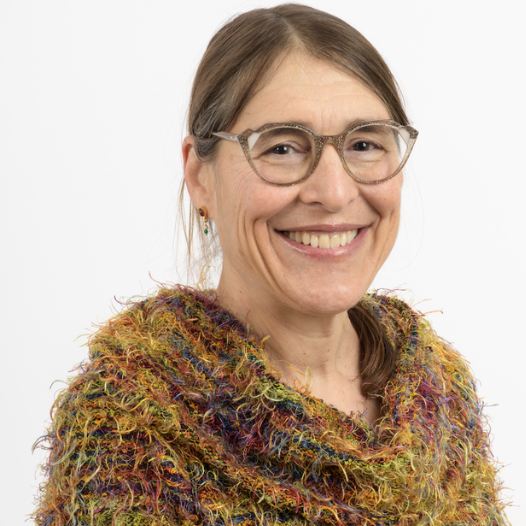
Nancy Braverman, MS, MD, FACMG, Professor, Dept. of Human Genetics and Pediatrics, McGill University, Division of Medical Genetics, McGill University Health Center (MUHC), Senior Scientist, Research Institute of MUHC, Peroxisome Disease Program
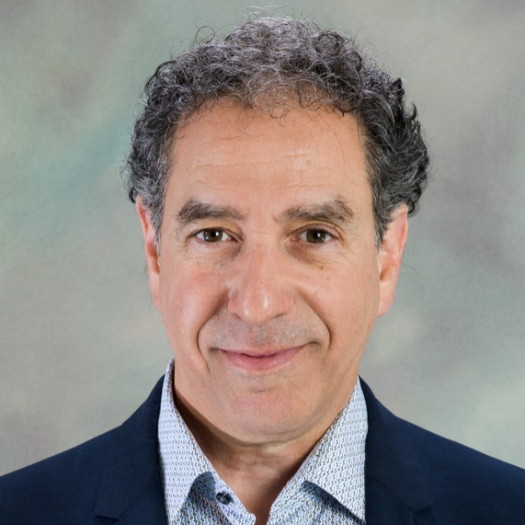
André Bonnici, B. Pharm, M.Sc., Director of pharmacy, McGill University Health Center
André Bonnici is the Director of pharmacy at the McGill University Health Center (MUHC), a position he has held since April 2010. Prior to this, he had held various administrative roles within the MUHC pharmacy while maintaining his pharmacy practice and research activities in critical care since 1992.
During his tenure as Director of Pharmacy, Mr Bonnici planned and executed the major move of Pharmacy activities to the new building of the McGill University Health Center in 2015. This move was one of the largest and complex hospital moves in Canadian history and involved consolidating adult tertiary and quaternary activities as well as a specialized pediatric hospital all within one campus.
He has co-authored many scientific research papers on medication used, has been a main author and board member of the Hospital Pharmacy in Canada Survey board since 2012 and served 12 years as an elected board member of the Québec Order of pharmacists, of which he is now a Fellow member.
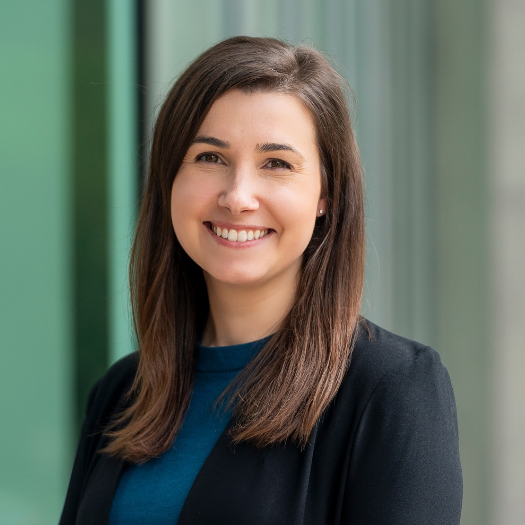
Laura Evgin, PhD, Assistant Professor, Department of Medical Genetics, University of British Columbia and Scientist, BC Cancer Research Institute
Dr. Laura Evgin is an Assistant Professor in the Department of Medical Genetics at the University of British Columbia and a Scientist at the BC Cancer Research Institute. She holds a Tier 2 Canada Research Chair in Cancer Immunotherapy and is a Michael Smith Health Research BC Scholar and recipient of a Gairdner New Investigator Award.
Dr. Evgin’s research program focuses on improving the efficacy and accessibility of CAR T cell therapy for cancer and autoimmune disease. Her team combines molecular and genome engineering, RNA technologies, disease-relevant preclinical models, and analysis of human specimens to address barriers to effective cellular therapy. Current areas of research include using mRNA vaccines to enhance CAR T cell function; developing lipid nanoparticle and RNA-based approaches to generate CAR T cells directly in vivo; and defining mechanisms of CAR T cell resistance in lymphoma to guide new therapeutic strategies.
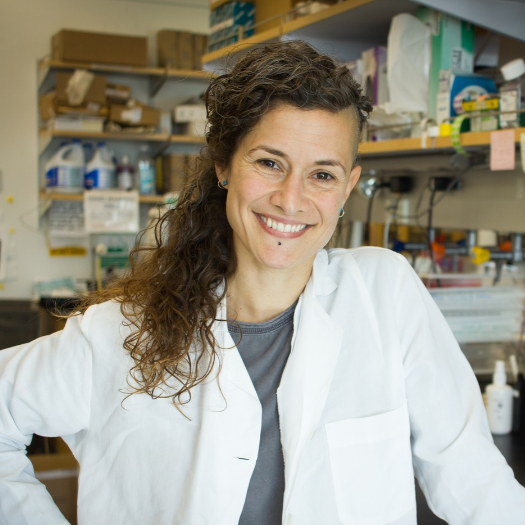
Zulema Romero Garcia, PhD, Assistant Adjunct Professor, Department of Microbiology, Immunology & Molecular Genetics, University of California, Los Angeles (UCLA)
Dr. Zulema Romero Garcia is an Assistant Adjunct Professor at UCLA whose research focuses on human hematopoietic stem and progenitor cell (HSPC) biology and the development of gene therapies for inherited blood disorders and primary immunodeficiencies. Her work has contributed to the preclinical development and clinical translation of lentiviral and CRISPR/Cas9-based gene therapies for sickle cell disease, including the CRISPR_SCD001 program, which entered clinical trials in 2026.
Building on this experience, she currently leads a program funded by the California Institute for Regenerative Medicine (CIRM) to develop an adenine base editing (ABE) strategy to treat CD3D severe combined immunodeficiency (SCID) using autologous HSPCs. In collaboration with Dr. Nicola Wright at the University of Calgary, her team is advancing this approach from proof of concept toward clinical translation through the development of clinical-scale manufacturing processes and preclinical safety and efficacy studies.
Her broader research interests include investigating how aging alters human HSPC functional and mechanotransduction responses to bone marrow matrix stiffness, as well as exploring in vivo HSPC genome editing using lipid nanoparticles.
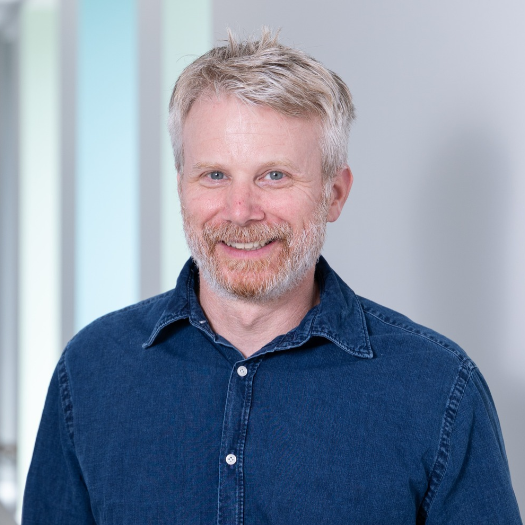
Douglas J. Mahoney, PhD, Associate Professor, Microbiology, Immunology and Infectious Disease; Director, Riddell Centre for Cancer Immunotherapy
Dr. Douglas J. Mahoney is an Associate Professor at the University of Calgary and a translational scientist developing transformative cancer immunotherapies. With 25 years of research experience, he integrates discovery, clinical translation, and multidisciplinary leadership to advance engineered cell therapies, oncolytic viruses, and microbiome-inspired treatments. He is the founder and Director of the Riddell Centre for Cancer Immunotherapy. His laboratory’s lead CAR T-cell therapy, GCAR1, is undergoing clinical testing. Through collaborative research and innovation, Dr. Mahoney seeks to deliver accessible, effective next-generation immunotherapies for children, adolescents, and adults facing cancers with high unmet clinical needs across Alberta, Canada, and beyond.
Outside the lab, Doug spends his time with his wife and three children, mostly enjoying the Alberta/BC wilderness.
John Mitchell, MD, MSc., Pediatric Endocrinology, Department of Pediatrics and Biochemical Genetics, Department of Medicine, Montreal Children’s Hospital
Dr. John Mitchell completed medical school at the University of British Columbia and his pediatric and endocrine fellowship at McGill University. He went on to complete a research fellowship in metabolic disease in Sydney Australia In addition to his pediatric endocrinology practice, he practices as a biochemical geneticist where he follows both adult and pediatric patients with metabolic disorders. He has been extensively involved in development of national and international clinical practice guidelines for phenylketonuria, Morquio A, Maroteaux-Lamy and Hunter syndrome. He is involved in cutting edge therapies for orphan diseases including chaperone therapies, enzyme replacement therapies, fusion proteins and gene therapies.
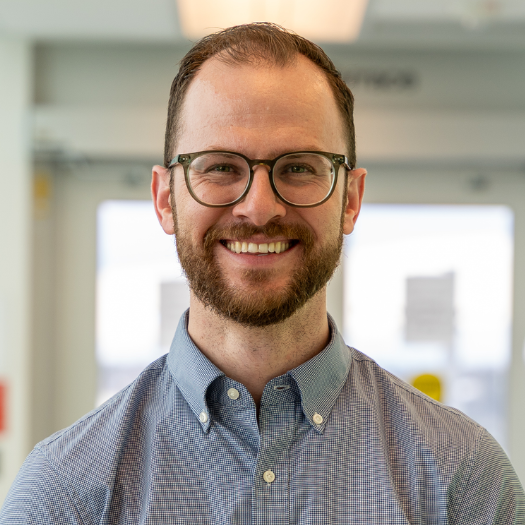
Kyle Potts, PhD, Associate Director of Biomanufacturing, Riddell Centre for Cancer Immunotherapy, University of Calgary
Dr. Kyle Potts is the Associate Director of Biomanufacturing at the Riddell Centre for Cancer Immunotherapy at the University of Calgary. He leads the development and clinical translation of cell and gene therapies, overseeing process development, manufacturing, and quality control activities. His work focuses on building the infrastructure and technical capabilities needed to translate innovative therapies from the laboratory into clinical trials, with a particular emphasis on CAR T-cell therapies and emerging gene-editing technologies. His research interests include engineering next-generation cell therapies and developing innovative technologies to improve their efficacy and clinical translation. He is passionate about advancing Canadian biomanufacturing capabilities and expanding patient access to innovative therapies.

Bernard Thébaud, MD, PhD, Senior Clinician Scientist, Regenerative Medicine, Ottawa Hospital Research Institute, Neonatologist, Department of Pediatrics, The Ottawa Hospital and the Children’s Hospital of Eastern Ontario, Professor, Department of Pediatrics, University of Ottawa
Dr. Bernard Thébaud is a clinician-scientist with a focus on the clinical translation of stem cell-based and gene therapies for lung diseases. He is a senior clinician scientist with the Ottawa Hospital Research Institute and a neonatologist with the Children’s Hospital of Eastern Ontario, providing care to critically ill newborns. He is a Professor of Pediatrics at the University of Ottawa and holds a Tier 1 Canada Research Chair in Lung Stem Cell Biology and Regeneration.
Dr. Thébaud studies the mechanisms of lung development, injury and repair to design new treatments for incurable lung diseases. His focus is on answering clinically relevant questions for translation into real-life applications. He is now translating innovative cell and gene therapies from the lab into patients
to improve outcomes.
Dr. Thébaud has participated on numerous peer review committees and scientific advisory boards at the international, national and provincial level, including CIHR and NIH. His research is funded by the Canadian Institutes of Health Research, Heart and Stroke Foundation of Canada, Stem Cell Network and the New Frontiers in Research Fund Transformation Stream.